5 Brain Games You Can Play Tonight With Things at Home
Quick answer
Five brain games need only household items: a muffin tin with tennis balls, three cups, an old towel, a cardboard box and a game of hide and seek. Each takes 1 to 3 minutes to set up and 5 to 10 minutes to play. Use part of dinner, make the first round easy, stop while your dog still wants more, and supervise every game.
We may earn a commission from links on this page, at no extra cost to you. Disclosure
You don't need to buy anything to give your dog a good mental workout tonight. A muffin tin, three cups, an old towel, a cardboard box and a handful of treats cover five proven brain games. Each one takes 1 to 3 minutes to set up and 5 to 10 minutes to play. Here is exactly how to run them, how to make them easier or harder, and how to keep them safe.
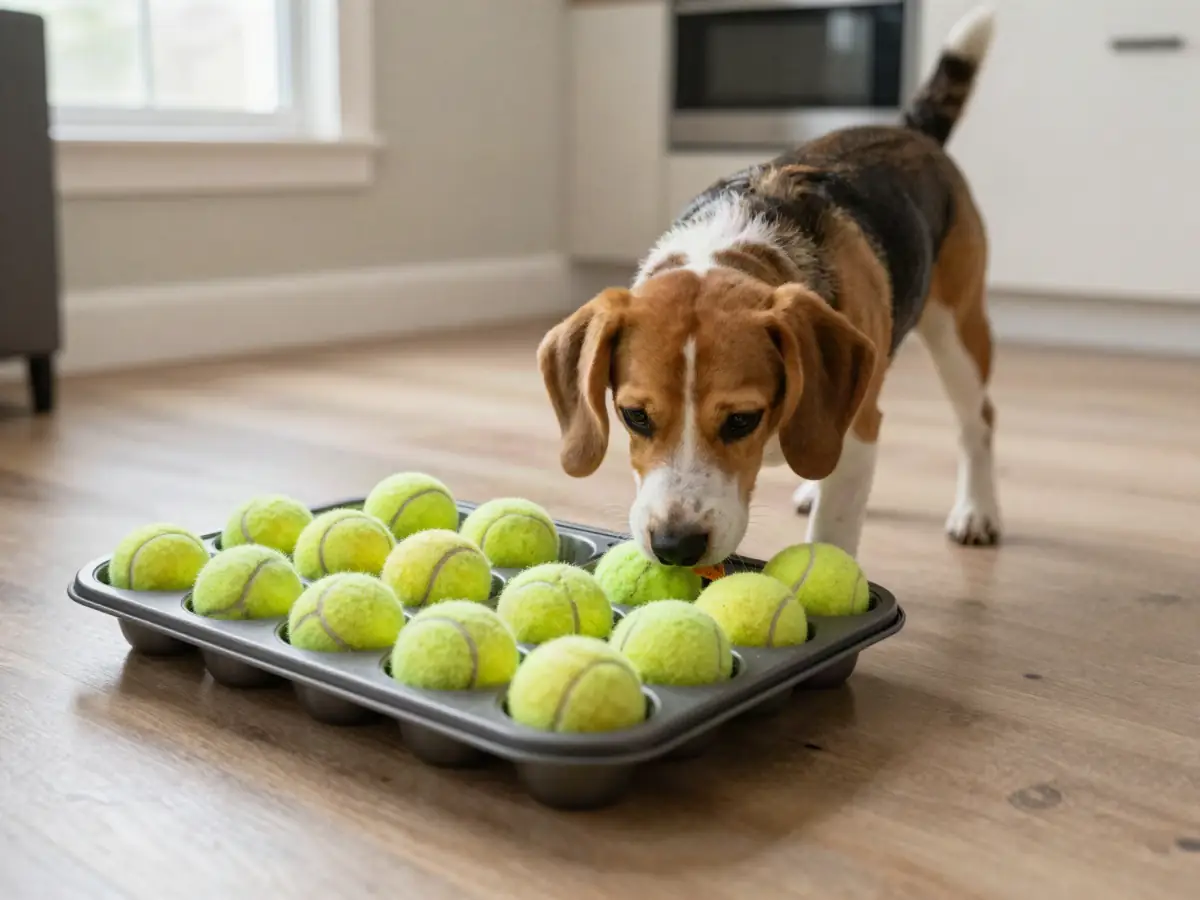
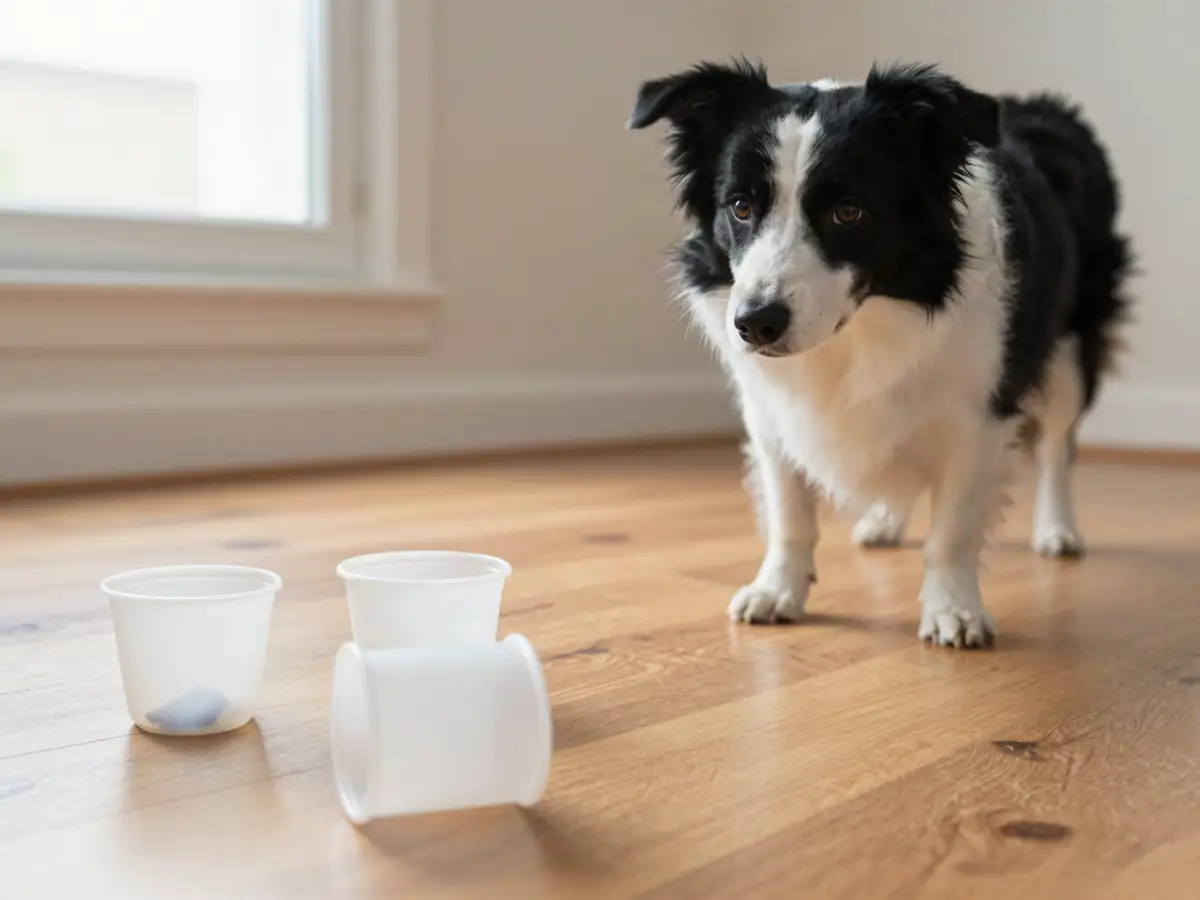
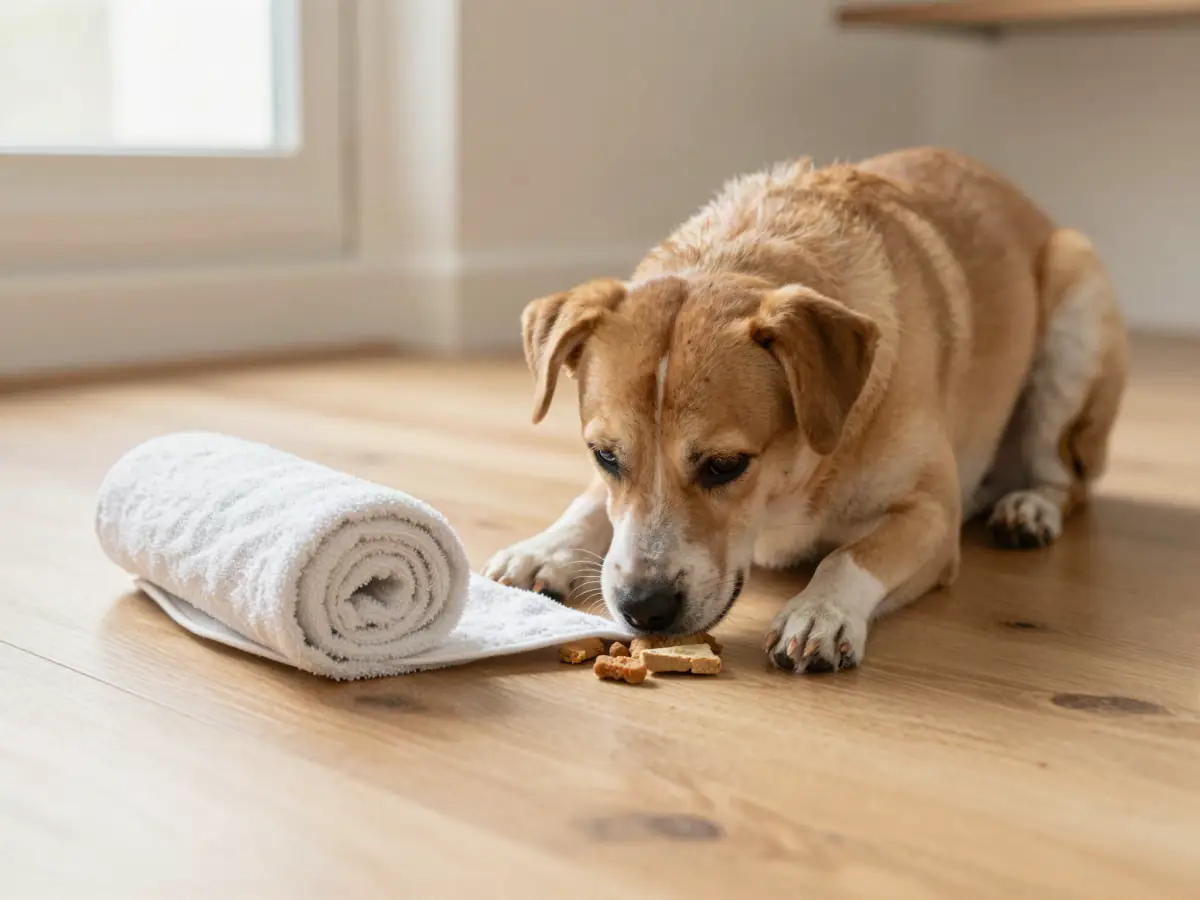
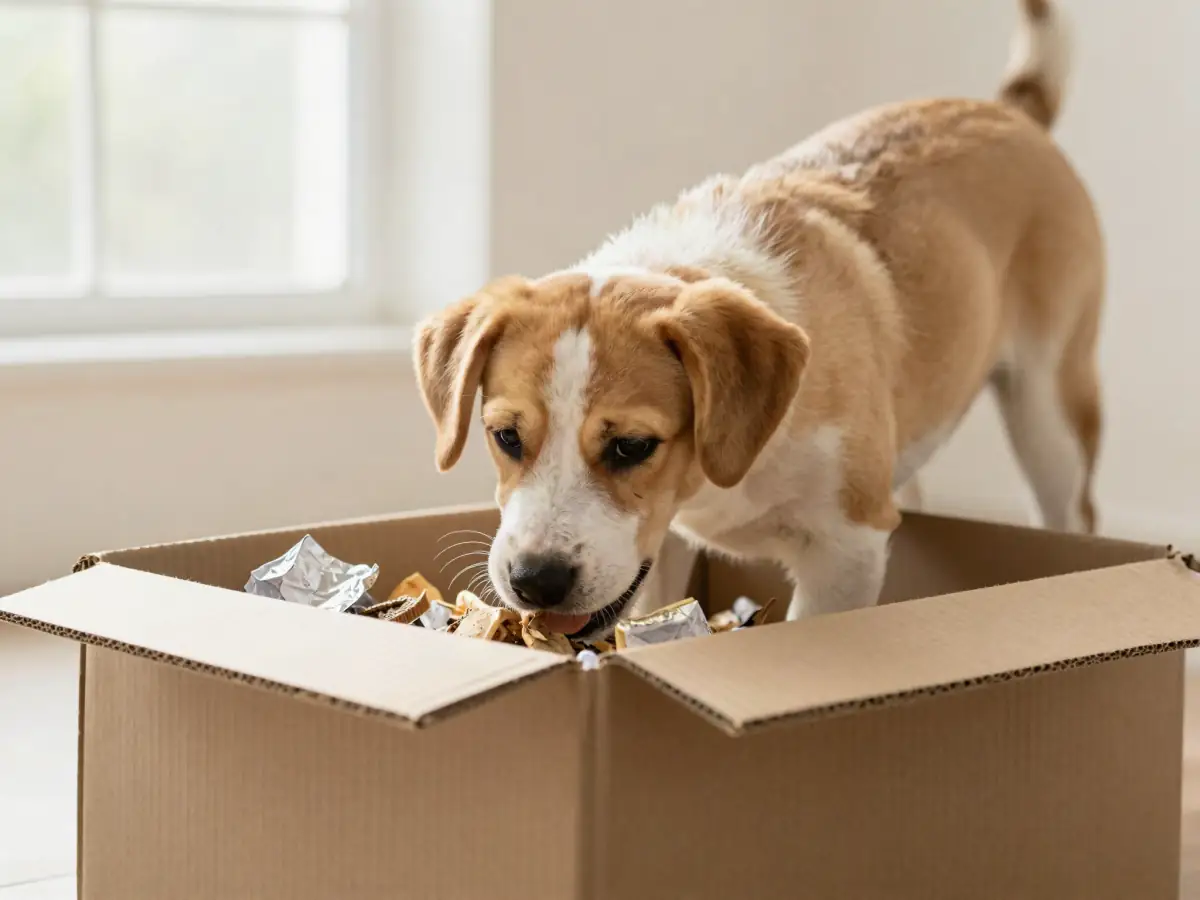
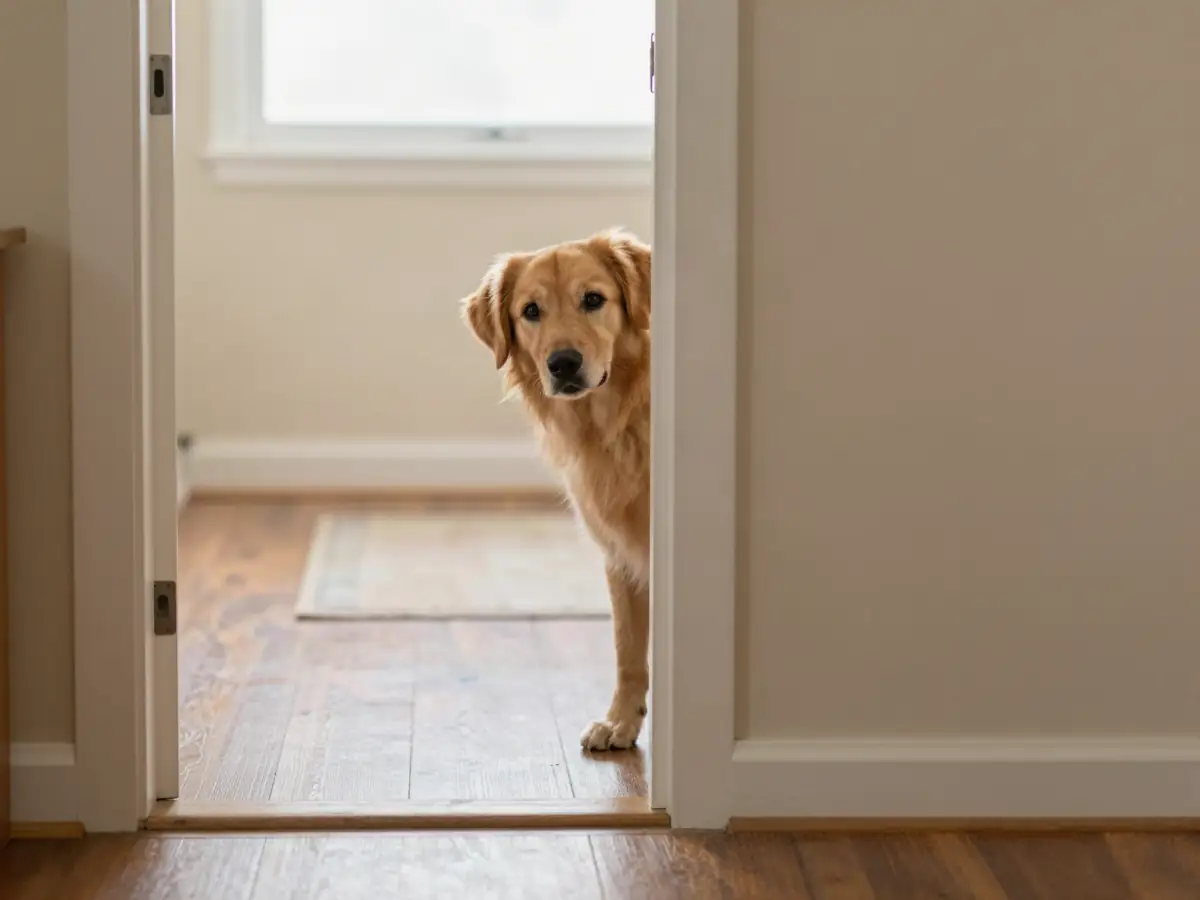
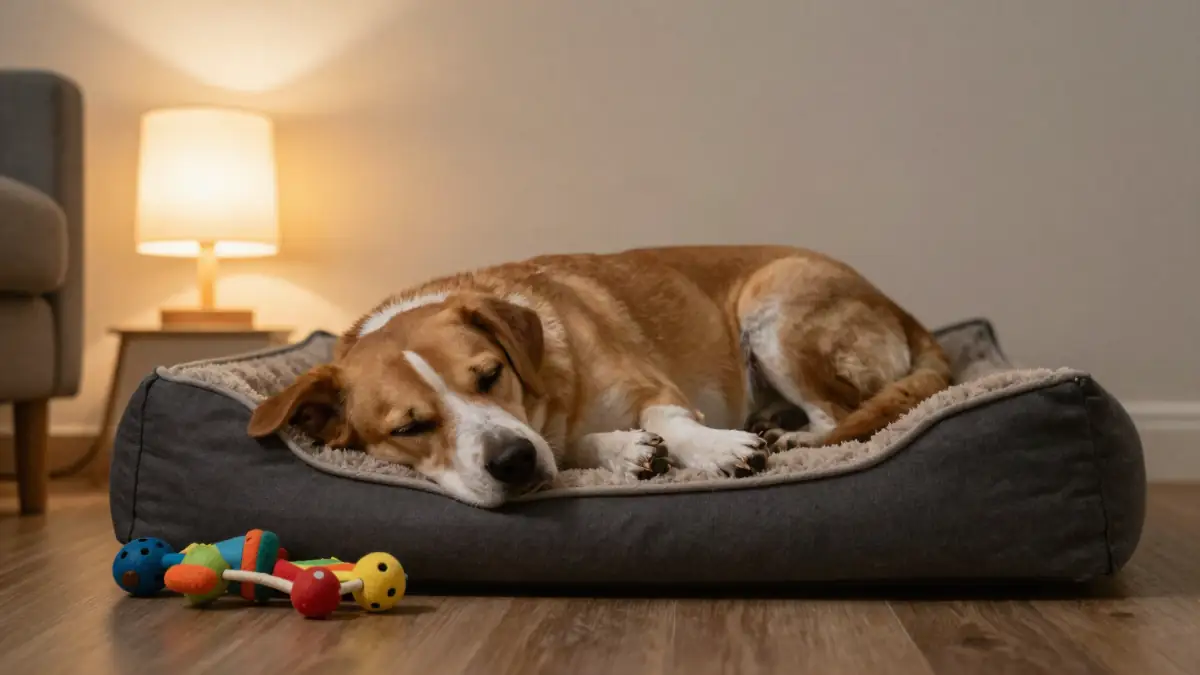
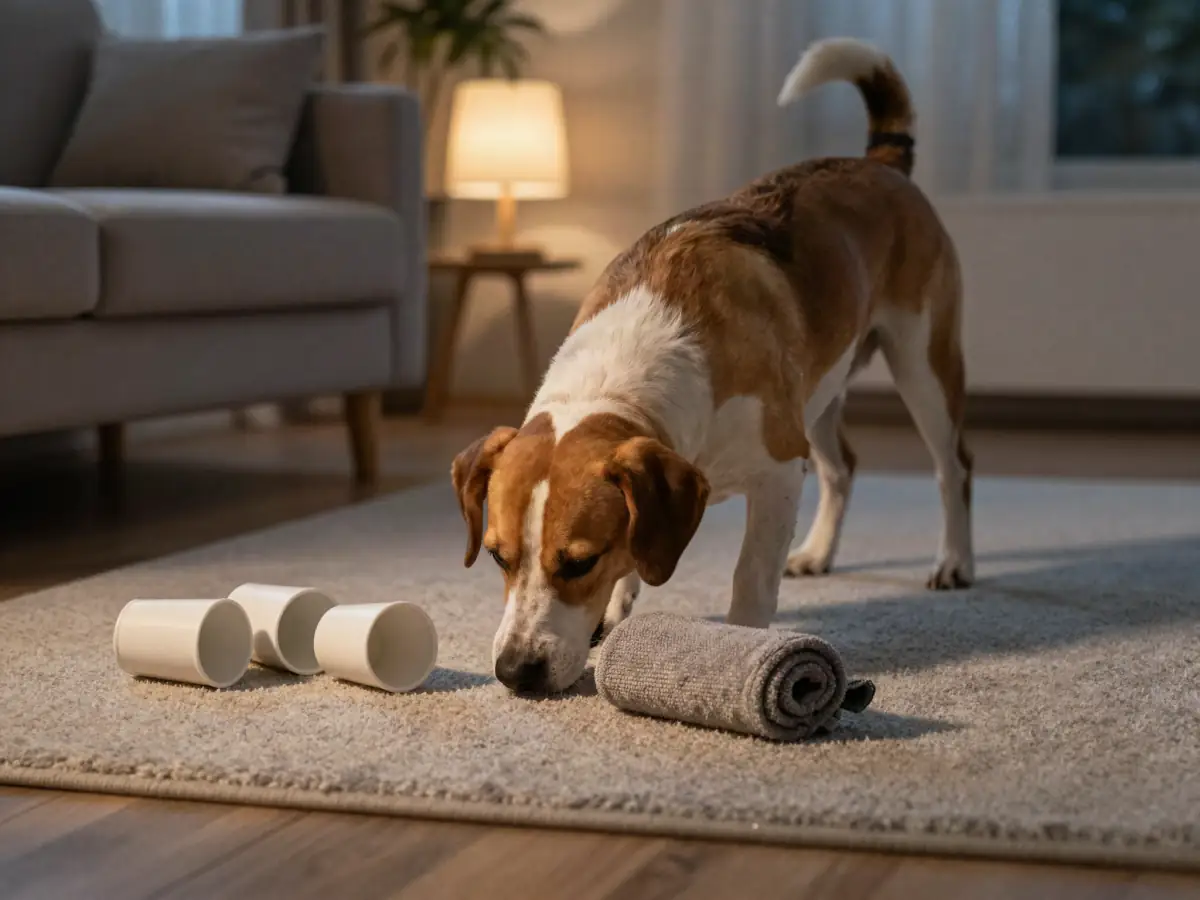
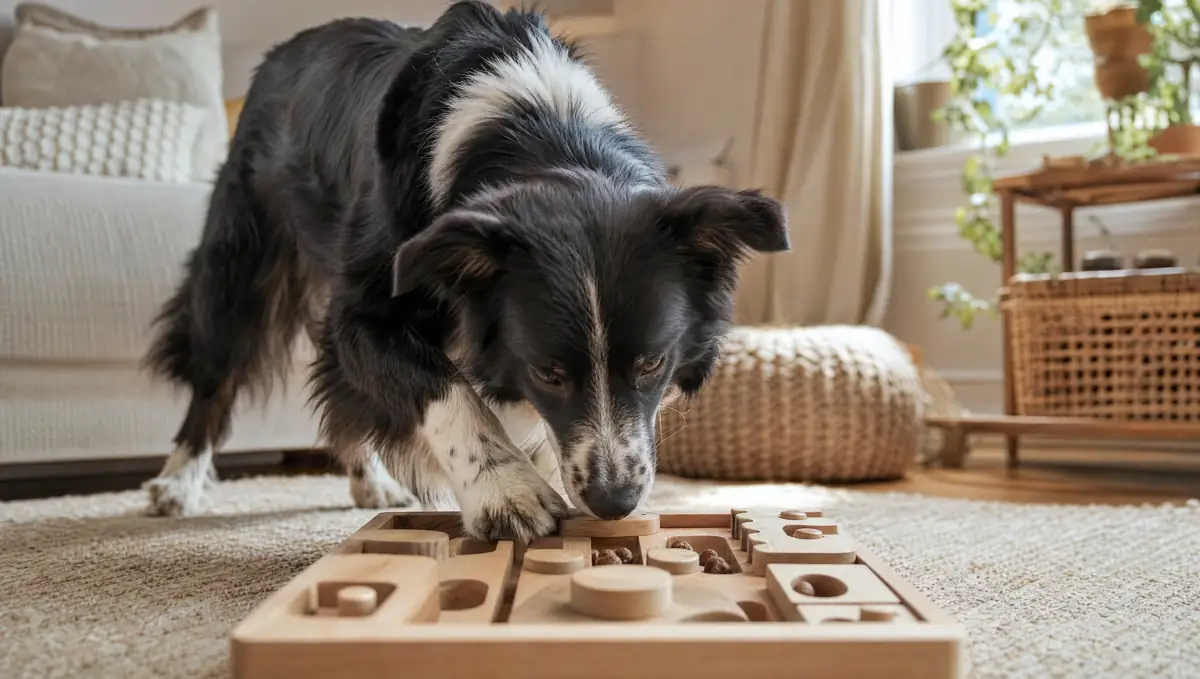
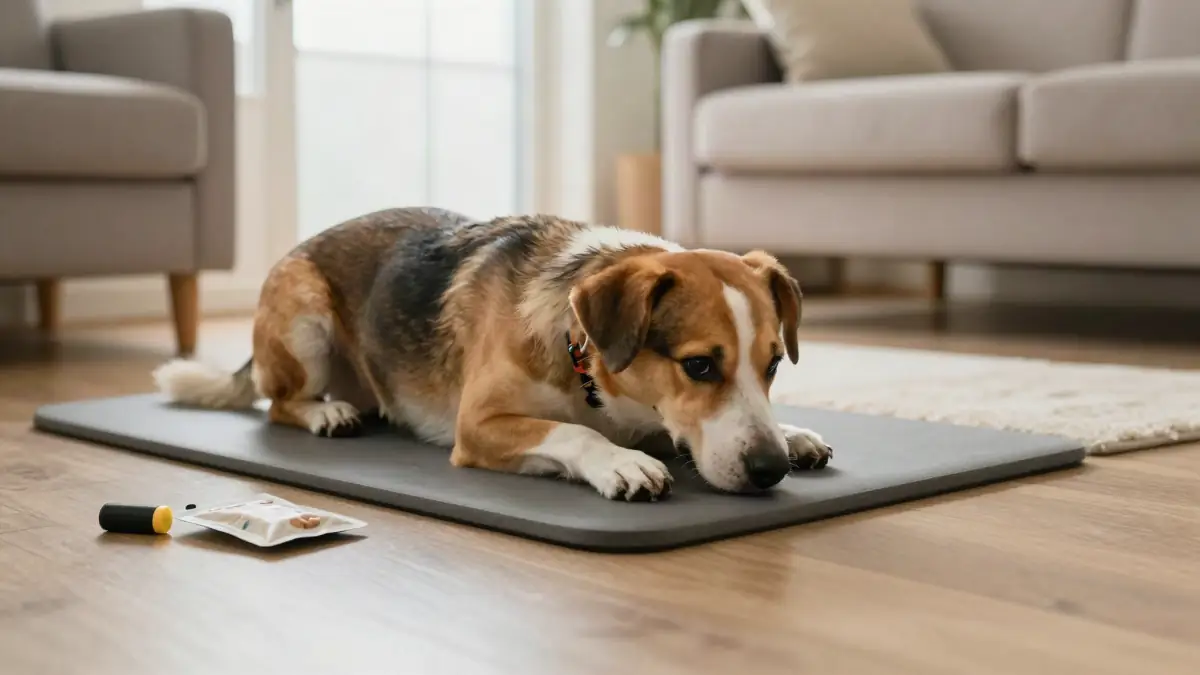
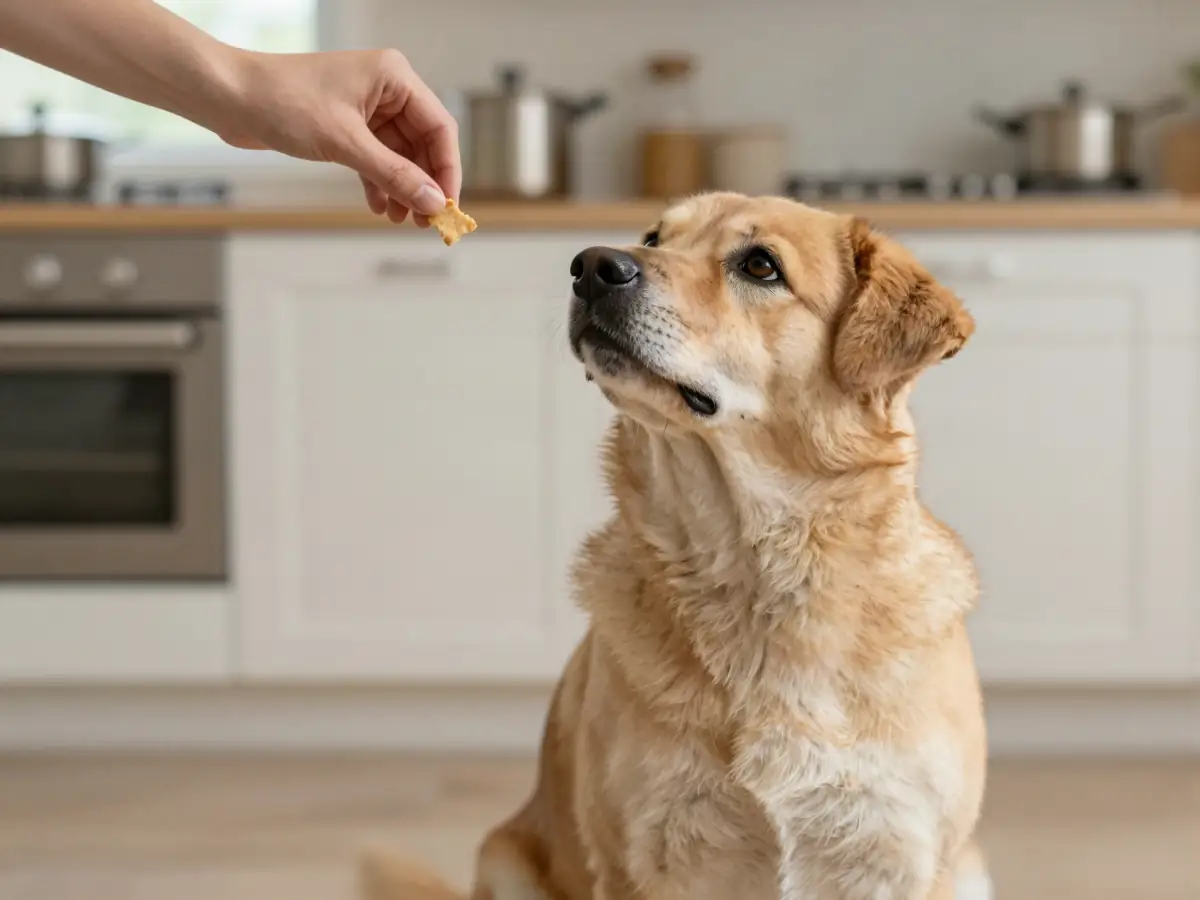
Illustrative photos.
Before you start: 4 quick rules
- Use part of dinner. Kibble works for most dogs. If you use treats, take that amount out of the daily food.
- Make the first round easy. The dog should win in the first 10 seconds.
- Stop while it still wants more. 5 to 10 minutes per game, 2 to 5 for young puppies.
- Supervise and tidy up. Put balls, towels, cups and cardboard away afterward.
Game 1: The muffin tin puzzle
You need: a 6 or 12 cup muffin tin, tennis balls, treats or kibble.
- Put a treat in 3 or 4 cups.
- For the first round, leave the cups uncovered and let the dog eat. This shows the tin holds food.
- Next round, cover one cup with a ball. Then cover them all, including empty cups.
- Say your cue, such as "find it," and let the dog nose or paw the balls away.
Make it harder: bait only 2 of 12 cups, or swap balls for toys of different shapes. Safety: use balls too big to swallow, and stop if the dog starts chewing the balls apart.
Game 2: The cup shell game
You need: three identical plastic or paper cups, small smelly treats.
- Start with one cup. Put a treat under it while your dog watches, then let it knock the cup over. Repeat 3 to 5 times.
- Add a second cup. Hide the treat under one and say "find it."
- When the dog nudges the right cup, lift it and let it eat. If it picks the wrong one, calmly show the empty cup and try again.
- Move to three cups, then slowly slide them around.
Rub the treat inside the cup at first to strengthen the scent. Avoid glass or ceramic. Many dogs find this game harder than it looks, so keep sessions short.
These five are a taste. Brain Training for Dogs sets out 21+ reward-based games in 7 levels ($67 one-time, checkout Oct 11, 2026).
See the 21 brain games →Paid link · opens the vendor's sales page.
Game 3: The towel burrito
You need: an old bath towel and 5 to 10 treats.
- Lay the towel flat and scatter the treats across it.
- Roll it up loosely from one short end.
- Put it on the floor and let the dog unroll it with nose and paws.
This is the best first game for puppies and nervous dogs because it is quiet and almost impossible to fail.
Make it harder: roll tighter, fold the ends in, or tie a loose knot in the middle. Safety: if your dog tries to eat fabric, skip this one or stay right beside it.
Game 4: The cardboard box dig
You need: a cardboard box, plain paper, treats.
- Remove all tape, staples and plastic from the box.
- Drop in a few treats and fill the box with loosely crumpled paper.
- Fold the flaps loosely closed and let the dog dig and rip its way in.
Make it harder: put a small box inside a bigger box, or line up three boxes and bait only one. Safety: tearing is fine; swallowing is not. If your dog eats cardboard rather than shredding it, choose another game. Expect some mess, and clean it up after.
Game 5: Hide and seek
You need: a helper, or a dog that can hold a sit-stay.
- Have someone hold the dog, or ask for a stay.
- Hide somewhere easy, such as just around a doorway.
- Call the dog's name once.
- When it finds you, celebrate with treats, praise or a quick game of tug.
Make hiding spots harder over several days. This game also builds a better recall, because finding you becomes the best thing in the house.
Want the next levels mapped out for you? 60-day refund (checked Oct 11, 2026).
See the levels & price →Paid link · opens the vendor's sales page.
Tonight's 20-minute plan
| Time | Game | Why |
|---|---|---|
| 0 to 5 min | Towel burrito with part of dinner | Easy win, builds confidence |
| 5 to 10 min | Muffin tin puzzle | Nose and paw problem solving |
| 10 to 15 min | Hide and seek | Movement plus recall practice |
| 15 to 20 min | Rest with a chew toy | Lets the dog settle afterward |
Save the shell game and box dig for tomorrow. Rotating games keeps them new.
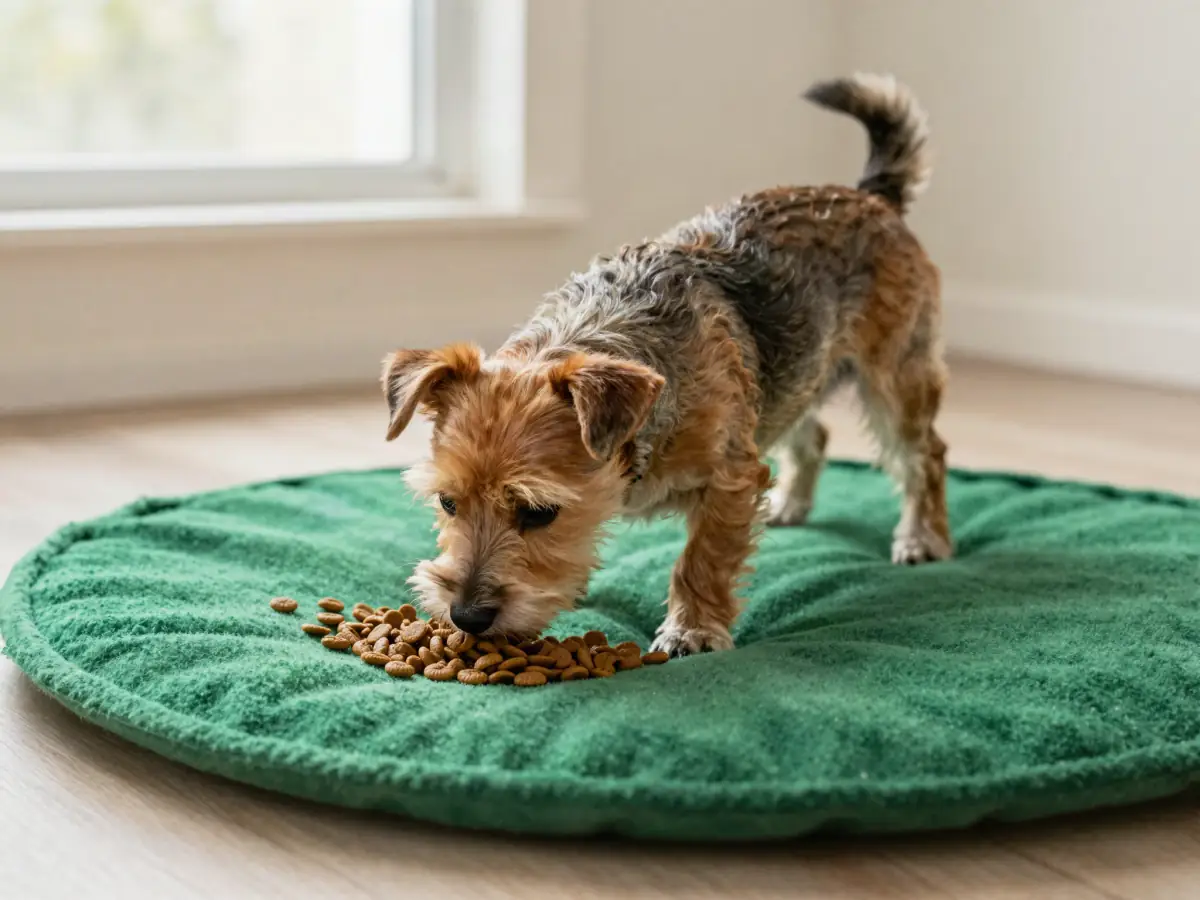
Keep it going: a 7-night rotation
Dogs learn a game fast, so rotate. One easy pattern for the first week:
- Night 1: towel burrito and muffin tin
- Night 2: cup shell game with one cup, then two
- Night 3: cardboard box dig
- Night 4: hide and seek in two rooms
- Night 5: muffin tin with more empty cups
- Night 6: shell game with three cups
- Night 7: your dog's favorite, or a slow sniff walk
Write down which games your dog solves in under a minute. Those need a harder version next time. Games that take more than five minutes, or end in frustration, need an easier step. That simple log is how trainers build a progression, and it keeps the games challenging without tipping into stress.
What to expect
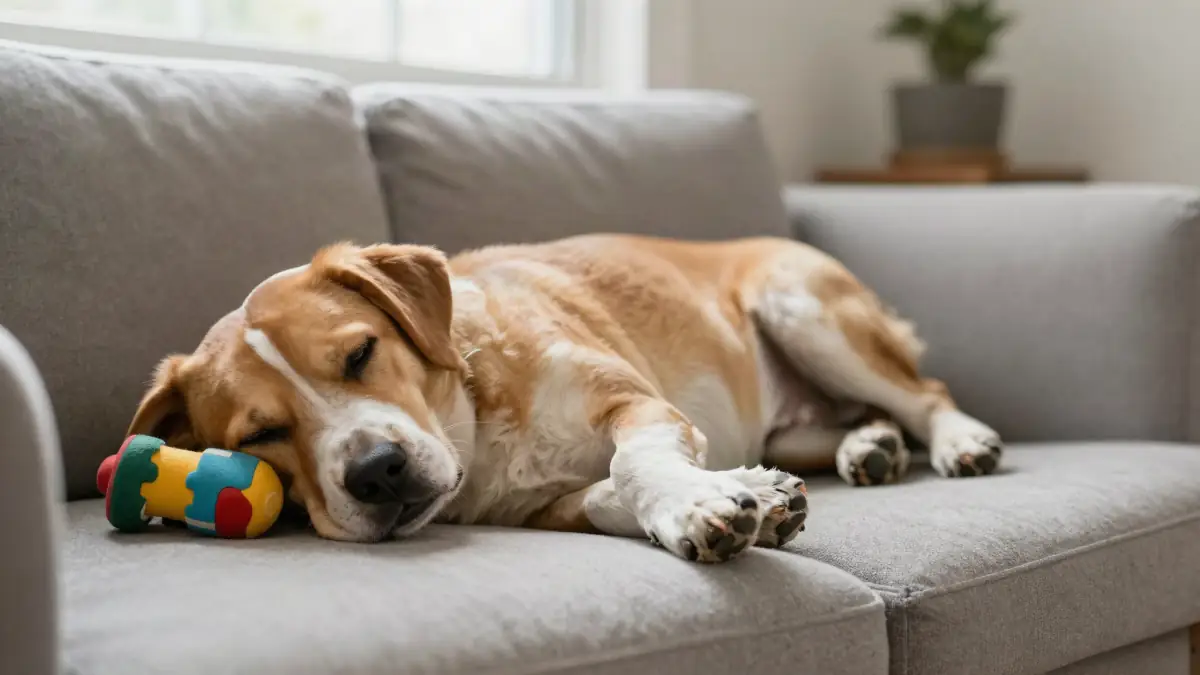
Sniffing and problem solving are slow, focused work. Many owners notice their dog is calmer after 10 minutes of brain games than after a short walk. Brain games complement walks rather than replace them. If your dog's problem is chewing, pulling or jumping, daily games are one part of the fix; see why your dog still pulls, jumps and chews.
Puppies, seniors and small dogs
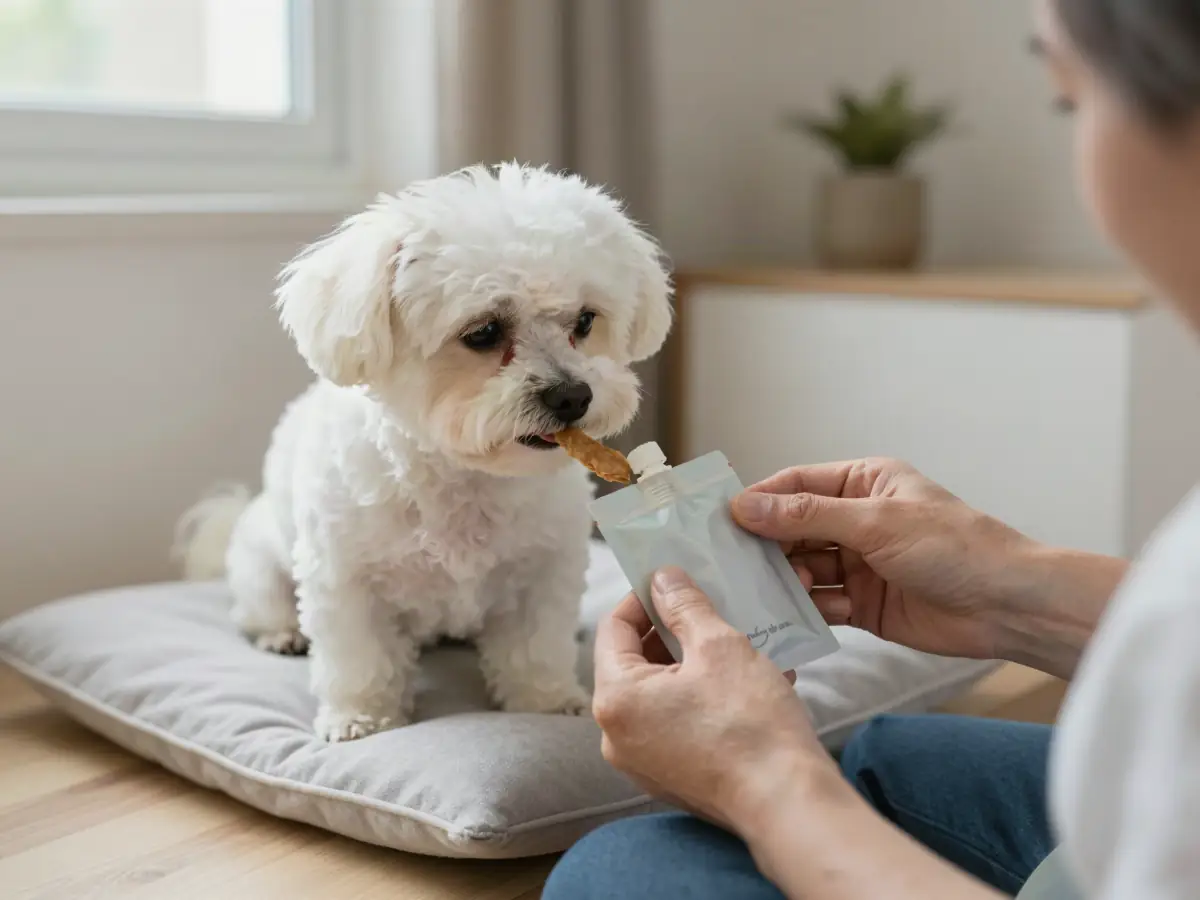
Puppies: towel burrito and an easy muffin tin, 2 to 5 minutes. Seniors: sniffing games are low impact; skip jumping and keep sessions short. Ask your vet about limits for dogs with joint problems. Small dogs: use a mini muffin tin and smaller cups, but keep balls large enough not to swallow.
Signs a game is too hard
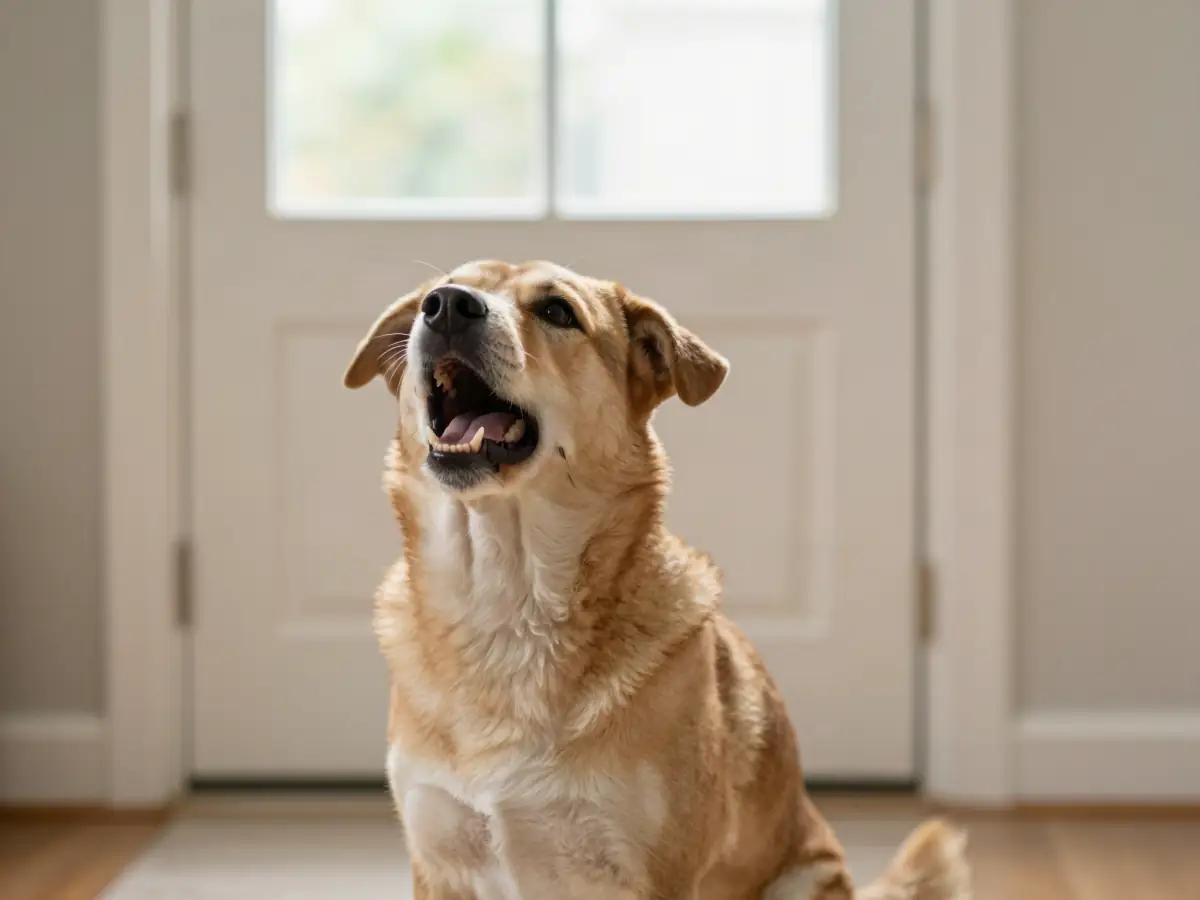
Barking at the puzzle, chewing it in frustration, walking away, or pawing at you instead of the game all mean the challenge is too big. Make the next round easier. A dog should finish relaxed, not wound up. If your dog guards food, growls during games or seems anxious, stop food games and talk to your veterinarian and a certified behavior professional.
For the full 21-game system
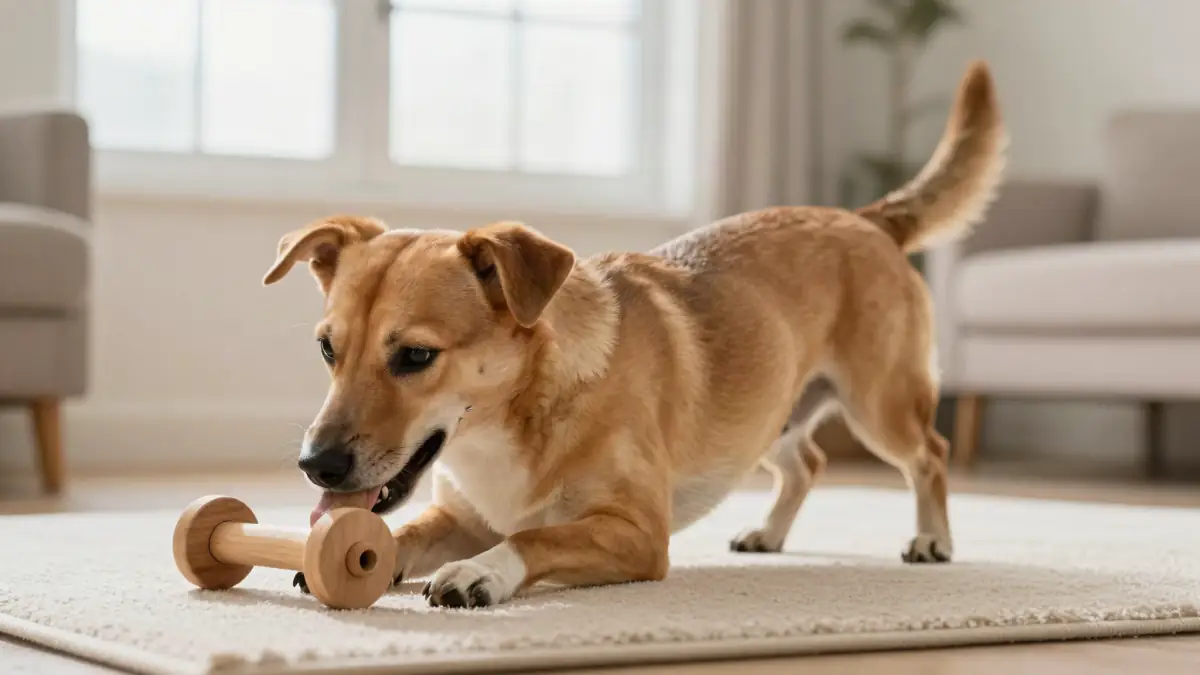
Once your dog has mastered these five, you will need new challenges. Brain Training for Dogs is one structured option: the vendor lists 21+ games across 7 levels, from beginner to advanced, all reward-based. It cost $67 one-time (checked October 2026), with a 60-day refund window. It does not give live feedback on your dog. More free games are in our dog brain games guide and mental stimulation guide.
For the full 21-game system, from beginner to advanced. Research-based pick, not a hands-on test.
Get the full 21-game system →Paid link · opens the vendor's sales page.
Frequently asked questions
What brain games can I play with my dog at home?
Five easy ones are the muffin tin puzzle, cup shell game, towel burrito, cardboard box dig and hide and seek. They need only a muffin tin, cups, a towel, a box and treats.
How long should a dog brain game last?
About 5 to 10 minutes per game for adult dogs and 2 to 5 minutes for young puppies. End while your dog is still keen.
What is the easiest brain game for a puppy?
The towel burrito: scatter treats on a towel, roll it loosely and let the puppy unroll it. It is quiet, quick and almost impossible to fail.
Are brain games safe for dogs?
Yes, when supervised. Use balls too big to swallow, remove tape and staples from boxes, use plastic cups, and put everything away afterward. Skip a game if your dog eats fabric or cardboard.
Do brain games tire a dog out?
Many owners find 10 minutes of sniffing and problem solving leaves a dog calmer than a short walk. Brain games complement walks rather than replace them.
What if my dog gets frustrated?
Barking at the puzzle, chewing it or walking away means it is too hard. Make the next round easier. If your dog guards food or growls during games, stop food games and talk to your vet and a certified behavior professional.
More from the blog
Best 5 Online Dog Training Courses in 2026
5 online dog training courses compared on method, structure, price and refund (Oct 2026): Brain Training for Dogs, Dunbar Academy, SpiritDog, more.
Brain Training for Dogs vs Dunbar Academy: Which Online Course Fits Your Dog?
Brain Training for Dogs ($67 one-time, 60-day refund) vs Dunbar Academy ($20/month or $97-$200 per course, 30-day refund): table, verdict, who picks which.
Is Brain Training for Dogs Worth It in 2026?
Is Brain Training for Dogs worth $67? Price and 60-day refund checked Oct 11, 2026, unverified upsells, honest objections and who it is NOT for.